Have you ever heard someone say something funny with a completely serious face? That style of comedy is often called “dry humor.” Many people search for the meaning of dry humor because they see the term used on social media, dating apps, memes, or conversations online.
Others hear phrases like “He has a dry sense of humor” and want to understand whether it means sarcasm, intelligence, awkwardness, or subtle comedy.
Dry humor is popular because it feels clever and natural. Unlike loud jokes or exaggerated comedy, it relies on timing, tone, and understatement. A person using this kind of humor may sound calm or emotionless while saying something unexpectedly funny.
Because of this, some people immediately understand the joke while others completely miss it.
In today’s digital world, dry humor appears everywhere—from TikTok captions and Instagram comments to workplace chats and dating app bios. Understanding it can help people communicate better, avoid confusion, and appreciate a more subtle form of comedy.
Meaning & Definition of Dry Humor
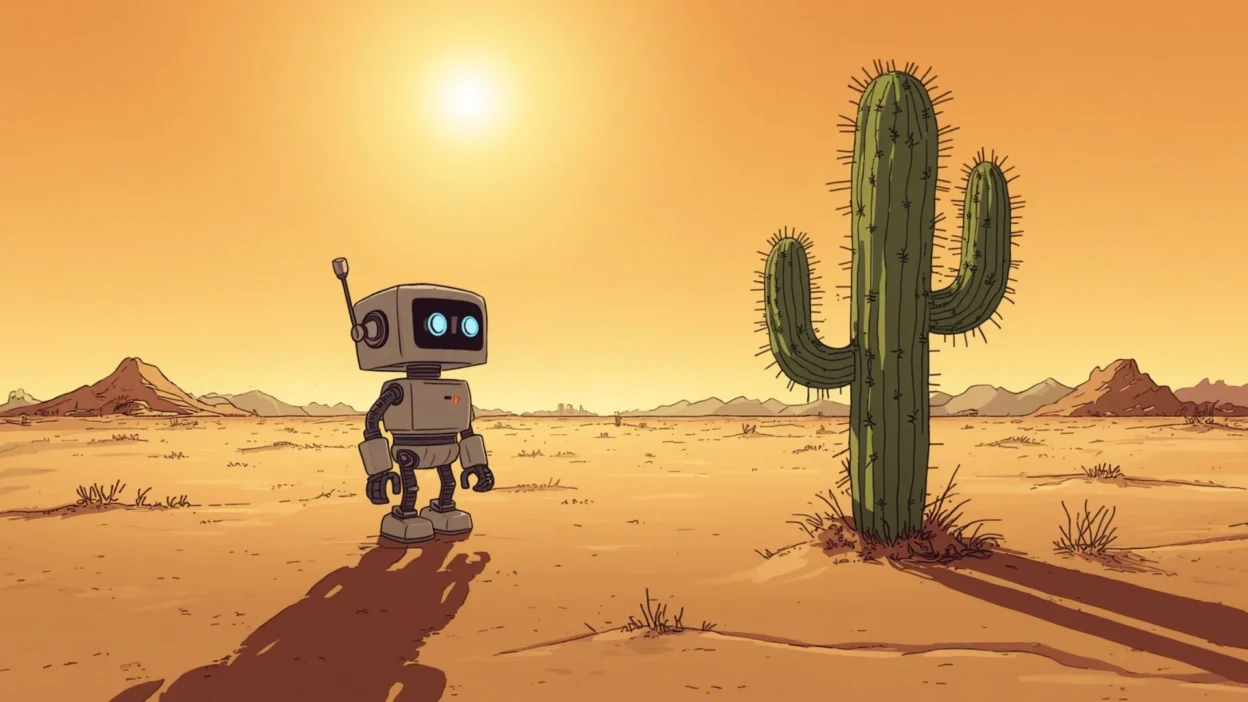
Dry humor refers to a style of comedy delivered in a serious, calm, or emotionless way. The speaker often says something funny without smiling, laughing, or changing their tone. The humor comes from the contrast between the serious delivery and the unexpected joke.
This type of comedy is also called “deadpan humor.” Instead of obvious punchlines, dry humor depends on subtle wit, irony, sarcasm, or understatement. People who use it often appear intelligent, observant, or naturally funny because they do not try too hard to get attention.
For example:
- Someone spills coffee and says, “Well, this day is going perfectly.”
- During heavy rain, a person says, “Lovely weather for a picnic.”
- A friend arrives extremely late and you say, “Right on time.”
These examples sound serious on the surface, but the meaning is actually humorous because the statement clearly contradicts reality.
Dry humor is different from slapstick comedy, which depends on exaggerated physical actions. It is also different from cheerful joking because the emotional delivery remains controlled and subtle.
Many comedians, movie characters, and television personalities are known for dry humor because audiences enjoy clever and understated comedy. It creates humor without needing dramatic reactions.
People often associate dry humor with:
- Intelligence
- Sarcasm
- Quick thinking
- Social observation
- Understated comedy
However, context matters. Sometimes dry humor can sound rude, confusing, or too serious if listeners do not recognize the joke.
Background of Dry Humor
The idea behind dry humor has existed for centuries. Writers, philosophers, and performers have long used subtle irony and emotionless wit to entertain audiences. The word “dry” in this context does not mean boring. Instead, it refers to humor delivered without emotional exaggeration.
British comedy is especially famous for this style. Many classic British television shows and comedians use deadpan delivery, awkward silence, and understated jokes. Over time, American comedy also adopted dry humor through stand-up comedians, sitcoms, and films.
Dry humor became even more popular online because internet culture values short, clever, and sarcastic responses. Memes, reaction posts, and ironic comments often rely on the same principles.
For example:
- “I absolutely love when my phone battery dies at 2%.”
- “Nothing says relaxation like 47 unread emails.”
These statements sound calm but secretly communicate frustration in a humorous way.
Modern audiences enjoy dry humor because it feels relatable. Instead of forcing laughter, it mirrors real-life situations with subtle irony. Many people also use it to cope with stress, awkward moments, or everyday annoyances.
In entertainment, dry humor often appears in:
- Sitcoms
- Mockumentary-style shows
- Stand-up comedy
- Internet memes
- Character-driven films
The style works especially well when characters remain emotionally serious while absurd things happen around them.
Dry Humor Examples in Everyday Life
Understanding examples makes dry humor easier to recognize. Since the humor is subtle, tone and context are important.
Everyday Conversation Examples
- “I needed more problems today.”
- “Fantastic. Another meeting.”
- “That worked out beautifully,” after something fails.
- “I’m clearly living my dream,” while doing something unpleasant.
School or Office Examples
- A student with too much homework says, “Free time is overrated anyway.”
- An employee buried in paperwork says, “This is exactly how I hoped to spend Friday.”
Family & Friends Examples
- Someone burns dinner and says, “Five-star restaurant quality.”
- A sibling breaks something and calmly says, “That probably wasn’t important.”
These jokes are funny because the speaker intentionally says the opposite of reality in a calm manner.
Dry humor can also include:
- Irony
- Understatement
- Clever observations
- Silent reactions
- Awkward pauses
The delivery matters as much as the words themselves. Saying a joke too enthusiastically can ruin the dry effect.
Usage in Different Contexts
Dry humor appears in many areas of communication today. The meaning can slightly change depending on where it is used.
In Casual Chat
Friends often use dry humor to tease each other or make ordinary conversations more entertaining. It keeps conversations light without sounding overly dramatic.
Example:
- “I’m thrilled my internet stopped working during my exam.”
On Social Media
Social platforms encourage short and witty content, making dry humor extremely popular.
People use it in:
- Memes
- Tweets
- Captions
- Comment sections
Example:
- “Love that for me,” after something embarrassing happens.
In Professional Fields
Some workplaces appreciate dry humor because it reduces stress and builds team connection. However, it must be used carefully since tone can easily be misunderstood.
A manager jokingly saying:
- “Another urgent email. What a surprise.”
can create humor among coworkers, but overuse may appear negative or sarcastic.
In Entertainment
Movies, television shows, and stand-up comedy often use dry humor for intelligent or subtle laughs. Characters who rarely show emotion are frequently associated with this style.
Dry Humor Meaning in Chat, WhatsApp, Instagram, and TikTok
Online communication changed how people use dry humor. Since text messages lack facial expressions and tone, people often misunderstand subtle jokes.
WhatsApp & Texting
In chats, dry humor usually appears as short sarcastic replies.
Examples:
- “Amazing decision.”
- “Couldn’t have gone better.”
- “Exactly what I needed today.”
Without emojis or context, some people may think the speaker is serious.
Instagram captions often use dry humor to appear relatable or effortlessly funny.
Example:
- Posting a messy selfie with: “Peak performance.”
TikTok
TikTok creators frequently use deadpan facial expressions and monotone voices to enhance dry humor. The humor often comes from acting completely serious while describing absurd situations.
Online Dating Apps
Dating profiles commonly include phrases like:
- “I have a dry sense of humor.”
- “Must understand sarcasm.”
This usually means the person enjoys subtle jokes, irony, and teasing rather than overly emotional comedy.
Meaning in Physics, Medical, and Aircraft Terminology
Interestingly, the word “dry” has completely different meanings in technical fields. These meanings are unrelated to comedy but can confuse people searching for the term.
In Physics
“Dry” may describe conditions without moisture or liquid involvement, such as dry air or dry friction.
In Medical Terminology
Medical professionals use “dry” to describe conditions lacking fluid or moisture.
Examples:
- Dry cough
- Dry skin
- Dry mouth
In Aircraft Terminology
In aviation, “dry weight” refers to the weight of an aircraft without fuel, passengers, or cargo.
These technical meanings are separate from the entertainment meaning of dry humor.
Common Misconceptions About Dry Humor
Many people misunderstand dry humor because it can sound serious or emotionless.
Misconception 1: Dry Humor Means No Humor
Some assume dry humor is boring because the delivery is calm. In reality, the comedy is subtle rather than loud.
Misconception 2: It Is Always Sarcasm
Dry humor can include sarcasm, but not every dry joke is sarcastic. Sometimes it relies on understatement or irony instead.
Misconception 3: Dry Humor Is Rude
A dry joke may sound rude if the listener misses the humor. Good dry humor usually depends on timing and social awareness.
Misconception 4: Only Intelligent People Understand It
While cleverness can help, dry humor is mostly about recognizing tone, contradiction, and context.
Similar Terms & Alternatives
Several related terms are often connected to dry humor.
Deadpan Humor
The closest synonym. It specifically refers to emotionless delivery.
Sarcasm
Uses irony to mock or criticize. Dry humor may include sarcasm, but sarcasm is often sharper.
Wit
Quick and intelligent humor.
Irony
A contrast between expectation and reality.
Satire
Humor used to criticize society, politics, or culture.
Each style overlaps slightly, but dry humor focuses mainly on understated delivery.
How to Respond to Dry Humor
Responding correctly depends on whether you understand the joke.
If You Find It Funny
You can:
- Laugh
- Continue the joke
- Reply sarcastically
- Use playful humor back
Example:
- “Glad everything is going smoothly.”
If You Are Unsure
Ask lightly:
- “Wait, are you joking?”
- “That was sarcasm, right?”
If It Feels Offensive
Sometimes dry humor crosses into negativity. In those cases, responding calmly works best.
Good communication matters because tone is harder to detect online.
Differences Between Dry Humor and Similar Words
Dry humor differs from other comedy styles in important ways.
Dry Humor vs Sarcasm
- Dry humor is subtle and calm.
- Sarcasm is often sharper and more obvious.
Dry Humor vs Dark Humor
- Dry humor focuses on delivery.
- Dark humor jokes about serious or uncomfortable topics.
Dry Humor vs Slapstick
- Dry humor uses words and tone.
- Slapstick uses physical comedy and exaggerated actions.
Dry Humor vs Satire
- Dry humor aims for subtle laughs.
- Satire critiques society or politics.
Understanding these differences helps people recognize the type of comedy being used.
Relevance in Online Conversations & Dating Apps
Dry humor became especially important in internet culture because modern communication rewards short, clever responses.
On dating apps, many people mention dry humor because it suggests:
- Intelligence
- Confidence
- Playfulness
- Emotional control
A dry sense of humor can make conversations feel natural and entertaining without seeming overly dramatic.
However, online communication also increases misunderstandings. Since text removes facial expressions and voice tone, some dry jokes appear rude or confusing.
That is why many people add emojis, memes, or context clues to make their humor easier to understand.
Examples:
- “Best day ever 🙃”
- “Love getting ignored. Truly inspiring.”
Dry humor also thrives in meme culture because internet users enjoy irony and relatable frustration.
Conclusion
Dry humor is a subtle form of comedy delivered with a serious or emotionless tone. Instead of loud punchlines, it depends on irony, understatement, sarcasm, and clever timing. People enjoy it because it feels natural, intelligent, and relatable.
Today, dry humor appears everywhere—from conversations with friends to TikTok videos, Instagram captions, and dating app bios. While some people immediately recognize the joke, others may misunderstand it due to the calm delivery style.
Understanding dry humor helps people communicate better online and in real life. It also allows audiences to appreciate a quieter and more thoughtful style of comedy that relies less on exaggeration and more on clever observation.
If used in casual chats, workplace conversations, or internet memes, dry humor continues to be one of the most popular and recognizable forms of modern comedy.

I am Luna Marlowe, a creative soul drawn to stories, art, and the quiet emotional spaces people rarely name.
My life has been shaped by observation and imagination, turning everyday moments into meaning through words and reflection.
I share my work and stories on lushystories.com, believing self-expression is both a refuge and a way to connect deeply with others.