If you’ve ever received a message that simply says “ofc,” you might have paused for a second and wondered what it means. In today’s fast-paced digital world, abbreviations and slang dominate texting, social media, and online chats. People prefer short, quick responses instead of typing full sentences, and that’s exactly where terms like “ofc” come in.
“OFC” is one of the most common texting abbreviations, used across platforms like WhatsApp, Instagram, Snapchat, and even emails. While it may look confusing at first, its meaning is actually very simple and widely understood. Knowing what it means—and how to use it properly—can help you communicate more naturally in casual conversations.
In this detailed guide, we’ll break down the meaning of “ofc,” explore its origins, show how it’s used in different contexts, and provide real-life examples so you can fully understand and use it confidently.
Meaning & Definition of “OFC”
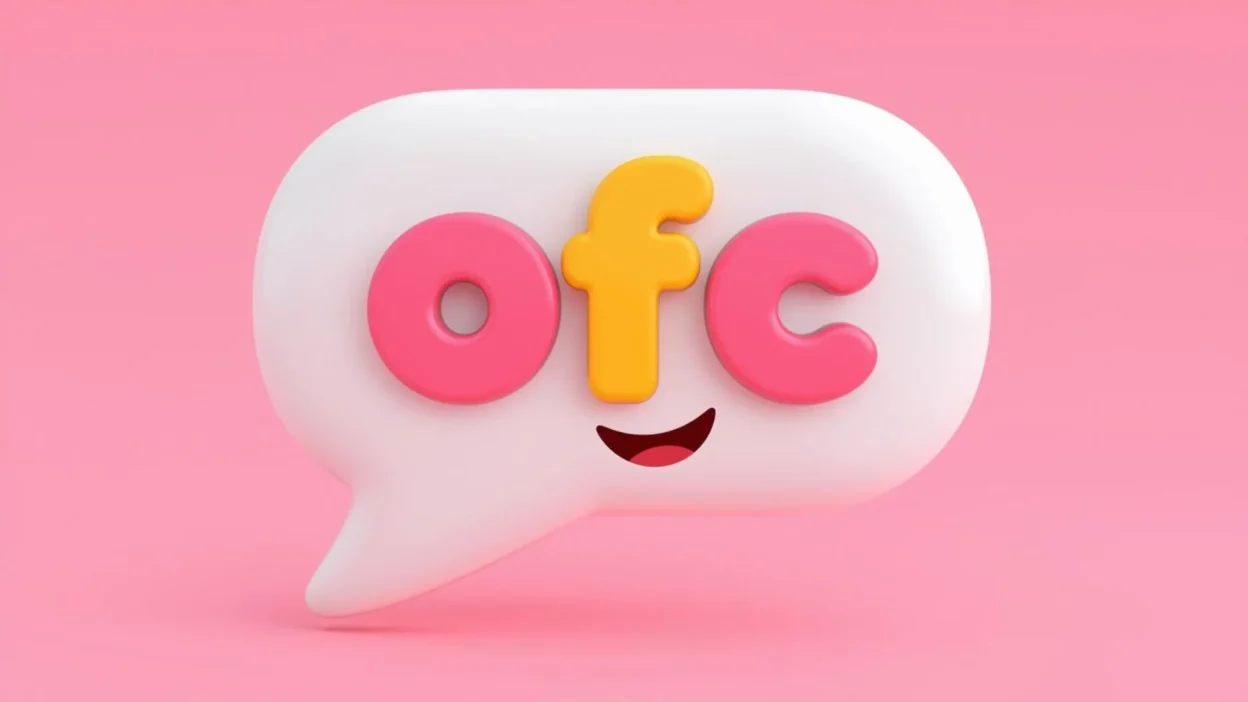
“OFC” stands for “of course.”
It’s a shortened version of the phrase people use to express agreement, certainty, or reassurance. Instead of typing the full phrase “of course,” users shorten it to “ofc” to save time and effort.
Simple Explanation:
- OFC = Of Course
- It means yes, definitely, obviously, or certainly
Tone and Intent
Depending on the situation, “ofc” can convey:
- Friendly agreement
- Reassurance
- Enthusiasm
- Sometimes even sarcasm (depending on tone)
Background and Popularity
The rise of abbreviations like “ofc” is closely tied to the growth of texting and social media. As communication moved from formal writing to quick chats, people started shortening common phrases.
Why “OFC” Became Popular:
- Speed: Faster typing on phones
- Convenience: Saves time in conversations
- Casual Communication: Fits informal chats
- Social Media Culture: Common on platforms like Twitter, TikTok, and Snapchat
“OFC” has been around since early internet chatrooms and SMS texting but became more mainstream with smartphones and messaging apps.
How “OFC” Is Used in Text Messages
1. Expressing Agreement
“OFC” is often used to say “yes” in a stronger, more confident way.
Example:
- Friend: “Are you coming to the party?”
- You: “ofc!”
2. Showing Reassurance
It can make someone feel confident or supported.
Example:
- “Can you help me with this?”
- “ofc, anytime!”
3. Responding to Obvious Questions
Sometimes it implies that the answer should be obvious.
Example:
- “Do you like pizza?”
- “ofc 😂”
4. Friendly and Casual Tone
“OFC” keeps the conversation light and informal.
Examples in Real Conversations
Here are some realistic examples of how “ofc” appears in everyday texting:
- “ofc I remember your birthday!”
- “You can borrow my notes, ofc.”
- “ofc I’ll be there on time.”
- “ofc, no problem at all!”
- “ofc you did great, don’t worry!”
Different Ways to Write “OFC”
You may see it written in different styles:
- ofc (most common)
- OFC (uppercase for emphasis)
- Ofc (capitalized at the beginning of a sentence)
All versions mean the same thing—the difference is just in tone or style.
When to Use “OFC”
Use It When:
- Chatting with friends or family
- Messaging on social media
- Having informal conversations
- Responding quickly
Avoid It When:
- Writing formal emails
- Professional or academic settings
- Communicating with someone who may not understand slang
Is “OFC” Ever Rude?
Most of the time, “ofc” is friendly and positive. However, tone matters.
It Can Feel Rude If:
- Used sarcastically
- Sent as a very short reply without context
- Paired with a dismissive attitude
Example:
- “Do you even care?”
- “ofc…” (can sound annoyed depending on tone)
To avoid misunderstandings, you can add emojis or extra words:
- “ofc 😊”
- “ofc, happy to help!”
Similar Slang Terms
Here are some other abbreviations with similar meanings:
- yep / yup – casual yes
- sure – polite agreement
- def – short for definitely
- np – no problem
- ikr – I know, right
Each has slightly different tones, but all are used in informal communication.
Why Understanding “OFC” Matters
Learning slang like “ofc” helps you:
- Communicate more naturally online
- Understand modern texting culture
- Avoid confusion in conversations
- Connect better with younger audiences
Even though it’s a simple abbreviation, it plays a big role in how people interact digitally today.
Conclusion
“OFC” is a simple yet powerful texting abbreviation that stands for “of course.” It’s widely used to express agreement, reassurance, or certainty in a quick and casual way. While it’s perfect for informal conversations, it’s best avoided in professional settings.
Understanding how and when to use “ofc” can make your digital communication smoother, friendlier, and more in tune with modern language trends. So next time someone asks you a question in a chat, don’t hesitate to reply with a confident “ofc!”

I’m Jasper Wren, a storyteller fascinated by the shadows between desire and curiosity. I craft tales that linger long after the last word. Explore my world and latest stories at LushyStories.