
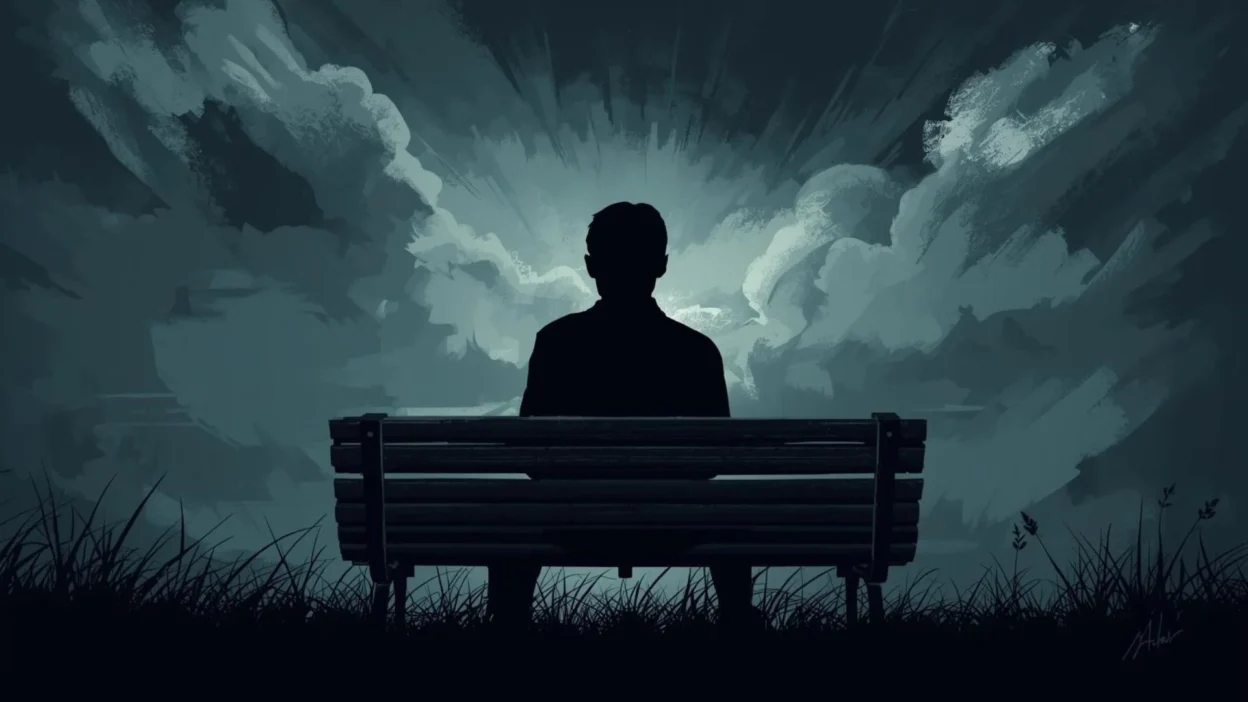
There are days when adulthood feels heavier than we ever expected. Responsibilities pile up, relationships shift, and the quiet moments become louder than noise.
These sad stories are written for us — the grown-ups carrying silent grief while scrolling through what’s hot, trending, and supposedly the best ways to cope. Instead of quick fixes, this collection offers something softer: emotional release. Within these top sad stories, you’ll find pieces of yourself — in lost love, aging parents, career disappointments, and quiet resilience.
They aren’t here to deepen your sorrow but to help you breathe through it. Sometimes the healthiest escape isn’t distraction. It’s recognition. And maybe, by the final paragraph, your chest will feel lighter than before.
The Last Train Home
When Daniel’s father stopped recognizing him, it didn’t happen all at once. It arrived in fragments. A forgotten birthday. A misplaced name. A story repeated four times over dinner.
The hospital room smelled faintly of antiseptic and fading hope. Daniel sat by the window, watching trains pass in the distance. His father had worked on railroads for thirty-five years. “Every train goes somewhere,” he used to say. Now his eyes wandered without destination.
Adult life rarely prepares us for this kind of reversal. In sad stories like this, the child becomes the parent, the protector becomes fragile. Daniel spoon-fed him soup, tied his shoelaces, and answered the same question — “When are we going home?” — with a steady voice that cracked only later in the car.
One evening, clarity returned for a brief, piercing second. His father squeezed Daniel’s hand. “You’ve done good, son.” Then the fog rolled back in.
After the funeral, Daniel took the last train home alone. He watched towns blur past and felt the quiet ache settle in. Grief, he realized, wasn’t loud. It was the empty seat across from you.
He understood then that some sad stories don’t end in healing speeches. They end in acceptance — in carrying love forward without expecting closure.
Weeks later, Daniel found his father’s old conductor hat in a closet. He placed it on the kitchen table and cried without apology. Not dramatic sobs. Just honest ones. The kind adults hide because life demands composure.
But pain acknowledged loses its sharpest edge.
On a Sunday morning, Daniel boarded another train, this time without fear. He didn’t know where he was headed exactly. He only knew movement felt better than standing still.
The tracks hummed beneath him, steady and certain, like a quiet promise that love, once given, never truly disappears.
Moral: Sometimes letting go is the final act of love we can offer.
The Apartment With Blue Curtains
Maya signed the divorce papers on a Tuesday afternoon. There was no shouting, no broken plates. Just two signatures and the soft scratch of pens ending twelve years.
Back in the apartment with blue curtains she had chosen on a hopeful spring day, silence felt heavier than arguments ever did. She walked through rooms dividing objects in her mind — his books, her mugs, shared memories neither could pack.
Among all sad stories adults live through, divorce carries a peculiar loneliness. Friends choose sides unintentionally. Family asks careful questions. Nights stretch longer than they used to.
One paragraph in her journal read simply: “I miss who we were, not who we became.” It surprised her. The honesty stung but clarified something vital. Grief wasn’t about losing him. It was about losing the version of herself that believed love alone solved everything.
She donated the extra plates. Sold the couch. Rearranged the bedroom. Not to erase him, but to create space.
One evening, rain tapped gently against the blue curtains. Instead of crying, she brewed tea and sat with the sound. She allowed the ache without dramatizing it. Heartbreak, she realized, didn’t make her weak. It made her human.
The apartment slowly transformed from a museum of marriage into a sanctuary of solitude. She learned how to fix a leaking sink, how to eat dinner alone without distraction, how to sleep diagonally across the bed.
Months later, she caught her reflection and noticed something unfamiliar: steadiness.
The papers in a drawer still carried both their names. But her future no longer did.
The blue curtains remained, though. Not as reminders of failure, but as proof she once believed deeply — and could again.
Moral: Endings hurt, but they also create room for new beginnings.
The Call at 2:17 A.M.
Ahmed’s phone rang at 2:17 a.m., a time that never brings good news. His younger brother’s voice trembled. “It’s Mom.”
Hospitals at night feel suspended in time. Machines beep softly. Nurses move like shadows. Ahmed stood beside his mother’s bed, gripping the rail as if it could anchor him.
These are the sad stories adulthood quietly prepares us for — the moment when strength is no longer optional. His mother had always been the steady one, the voice reminding him to eat, to rest, to forgive.
Now she struggled for breath.
In that sterile room, memories came in flashes: her laughter in the kitchen, her hand on his forehead during childhood fevers, the way she pretended not to notice his mistakes to spare his pride.
When the doctor spoke, the words felt distant. Critical. Uncertain. Ahmed nodded mechanically.
He leaned close and whispered gratitude into her ear, unsure if she heard. Gratitude for sacrifices never discussed. For prayers said on his behalf. For love that asked for nothing in return.
At dawn, light slipped through blinds, fragile but present. His mother’s breathing steadied slightly. Not healed, not safe — just steady.
Ahmed stepped outside for air. The world looked unchanged. Cars moved. Birds sang. It felt almost offensive.
But then he understood something essential about sad stories: they unfold in ordinary worlds. Grief doesn’t pause traffic or silence mornings.
When his brother joined him on the bench, neither spoke. They simply sat shoulder to shoulder, sharing weight.
Hours later, their mother opened her eyes briefly. She smiled faintly, as if to reassure them.
In that fragile smile lived decades of devotion.
Ahmed realized that love is not measured by how long someone stays, but by how deeply they shaped you while they could.
Moral: Cherish the ordinary moments before they quietly become memories.
The Promotion That Never Came
Rashid stayed late again, long after the office lights dimmed and the cleaning crew began their quiet rounds. He had given ten years to the company — missed birthdays, postponed vacations, answered emails during family dinners. When whispers about a promotion began circulating, colleagues congratulated him early. “It’s yours,” they said with certainty.
The announcement came on a Friday morning. Applause echoed through the conference room, but it wasn’t for him. A younger hire with polished confidence and louder ideas shook hands with the director. Rashid clapped too, because that’s what professionals do.
Among adult sad stories, career disappointment carries a special sting. It doesn’t break your heart publicly. It bruises your pride privately. Rashid smiled through the day, even offering to help with the transition. Inside, though, something fragile cracked. He questioned his competence, replayed meetings in his head, wondered where he’d fallen short.
That evening, he drove home slower than usual. The radio hummed softly, but he barely heard it. His wife greeted him with excitement, expecting good news. He shook his head gently. She didn’t offer forced optimism. She simply placed a hand on his shoulder and let silence speak.
Over the next week, Rashid wrestled with resentment. He drafted resignation letters he never sent. But beneath the frustration was a deeper realization: he had tied his worth to a title.
One Sunday morning, while cleaning out old files, he found a notebook from his early days at work. Inside were goals written in messy handwriting. None mentioned promotions. They spoke of learning, stability, and providing for family. By those measures, he had succeeded.
The sting didn’t disappear overnight. Yet it softened.
He began updating his resume — not out of anger, but curiosity. Perhaps loyalty wasn’t meant to be indefinite. Perhaps growth required movement.
A month later, an unexpected recruiter email arrived. Rashid smiled at the coincidence.
Sometimes rejection is redirection in disguise.
Moral: Your value isn’t defined by someone else’s recognition.
The House After the Children Left
The house felt too large for Elena now. For twenty-five years it had pulsed with noise — slammed doors, laughter, music from behind closed bedrooms. Now the refrigerator’s hum was the loudest sound.
Her youngest had moved abroad for graduate school. She had smiled bravely at the airport, waving until he disappeared beyond security. Only in the car did tears blur the steering wheel.
Empty nest sadness rarely makes headlines, yet it belongs among the most relatable sad stories for adults. It isn’t tragedy. It’s transition. And transitions can ache deeply. Elena wandered past framed school photos, soccer trophies, a height chart penciled onto the pantry wall.
One afternoon, she cooked too much pasta out of habit. Setting the table for four before correcting herself to one felt like admitting defeat. She sat down anyway and ate slowly, listening to the quiet.
In the stillness, questions surfaced. Who was she beyond motherhood? For decades her schedule had revolved around others’ needs. Now time stretched open, unfamiliar and intimidating.
Instead of shrinking from it, she tried something small. A pottery class at the community center. Her hands, once busy packing lunches, shaped clay into uneven bowls. She laughed at her own clumsiness.
Gradually, the house transformed. Not by removing memories, but by adding new ones. Fresh flowers on the kitchen counter. Music playing on Sunday mornings. Video calls that filled the living room with pixelated smiles.
The sadness never vanished entirely. Sometimes she still paused outside empty bedrooms. But the silence no longer felt like abandonment. It felt like evidence of a job done well.
Children leaving wasn’t loss. It was proof they were ready.
And Elena, she realized, was ready too — ready to rediscover herself beyond the roles she’d carried so faithfully.
Moral: Letting go of one purpose creates space to find another.
The Letter He Never Sent
Omar kept the letter folded inside a book he never finished. It had been written three years earlier, after a fight that ended his longest friendship. Pride had stopped him from mailing it. Time made it feel too late.
Their argument had been trivial — money borrowed, harsh words exchanged. Yet stubborn silence built a wall neither climbed. In many adult sad stories, it isn’t betrayal that ends relationships, but ego.
On quiet evenings, Omar replayed shared memories: road trips with cheap coffee, inside jokes no one else understood, nights spent debating dreams bigger than their circumstances. Losing romantic love hurt differently. Losing a friend felt like misplacing part of his identity.
The letter apologized without excuses. It admitted fear, insecurity, envy. He had written it in one breath, then sealed it. The next morning, doubt convinced him to wait. Waiting turned into years.
When news arrived through a mutual acquaintance that his former friend was moving overseas permanently, regret surged like a wave. Omar retrieved the letter from the dusty shelf. The paper had yellowed slightly at the edges.
He read it aloud, alone in his apartment. The words still felt true.
Sad stories often hinge on moments we believe will return. We assume there will be another dinner, another call, another chance to soften our stance. Sometimes there isn’t.
Omar didn’t know if reconciliation was possible. But he knew silence no longer protected him. It imprisoned him.
That night, he rewrote the letter — shorter, simpler. He sent it digitally before courage could fade. The message wasn’t dramatic. Just honest.
Days passed without reply. Yet something inside him settled. Apology, he learned, isn’t always about response. It’s about release.
Whether forgiveness arrived or not, he had chosen humility over pride.
And that choice felt lighter than regret.
Moral: Speak before silence becomes permanent.
When the Diagnosis Changed Everything
The word “malignant” sounded clinical when the doctor said it, almost detached from reality. For Priya, it split life into before and after. Before was morning coffee without fear. After was appointments, test results, and late-night searches she pretended not to make.
Among the most intimate sad stories adults carry, illness rewrites ordinary routines. Priya had always been the reliable one — balancing work deadlines, caring for aging in-laws, remembering birthdays. Now her body demanded attention she didn’t know how to give. The mirror reflected someone thinner, paler, uncertain.
Friends sent encouraging messages filled with strength and positivity. She appreciated them, yet some days she didn’t want to be strong. She wanted to admit she was scared. One afternoon, sitting alone in her parked car, she allowed tears to fall freely. No audience. No performance.
Treatment days blurred together. Waiting rooms became familiar. The beeping machines no longer startled her. In those long hours, she met others carrying similar battles. They exchanged small smiles that said more than words could.
One evening, after a particularly exhausting session, her husband held her gently and whispered, “We’ll take this one day at a time.” Not forever. Not promises of certainty. Just today.
That perspective shifted something inside her. Instead of projecting fear into distant futures, she began noticing immediate moments — sunlight warming the balcony, the comfort of warm soup, her daughter’s laughter drifting from another room.
The illness didn’t disappear. Neither did the fear. But gratitude began to coexist with it.
Priya realized that fragility sharpens appreciation. Life had always been unpredictable; she had simply ignored it before. Now, each ordinary day felt quietly precious.
Months later, as results slowly improved, she understood something deeper than survival. Strength wasn’t pretending everything was fine. It was acknowledging vulnerability and moving anyway.
Her story wasn’t defined by diagnosis alone. It was defined by courage stitched into everyday living.
Moral: Facing fear honestly can reveal strength you never knew you had.
The Café Where She Waited
Every Thursday at four, Nora ordered the same cappuccino at the corner café. She chose the table by the window, facing the door. It had been their table once.
Three years earlier, that café had witnessed laughter, whispered plans, and a proposal sketched on a napkin. Then came distance, misunderstandings, and a final conversation that ended with, “Maybe someday.”
In many sad stories adults quietly live, love doesn’t end with betrayal. It fades under pressure. Careers in different cities. Family obligations. Timing that never aligns.
Nora told friends she had moved on. In many ways, she had. She dated occasionally, worked steadily, built a routine. Yet Thursdays remained sacred. She wasn’t waiting for him to walk through the door. Not exactly. She was honoring a version of herself who once believed wholeheartedly.
One rainy afternoon, she noticed a young couple at a nearby table. They argued softly, tension sharp between them. Nora felt an unexpected urge to interrupt, to tell them to speak gently, to choose understanding before ego. Instead, she sipped her coffee and looked out the window.
Sad stories often teach quietly. They don’t always grant reunions. Sometimes they offer perspective.
That day, Nora left the café without glancing back at the door. She walked past familiar streets and realized the ritual had served its purpose. It had allowed her to grieve gradually, without dramatic endings.
Love had changed her. It had expanded her capacity for vulnerability, even if it hadn’t lasted.
The following Thursday, she skipped the café and tried a new bakery across town. The coffee tasted different, slightly bitter. She smiled anyway.
Moving forward didn’t erase the past. It simply added new chapters.
And for the first time in years, she didn’t feel like she was waiting anymore.
Moral: Let memories shape you, but don’t let them anchor you.
The Brother Who Stayed Silent
Farhan and his older brother hadn’t spoken properly in over a decade. Family gatherings remained polite but distant. Old disagreements lingered like dust no one wanted to disturb.
The fight had started over their father’s business. Different visions. Accusations of irresponsibility. Words thrown in anger that neither truly meant. Pride did the rest.
Among adult sad stories, sibling estrangement carries a unique ache. These are people who shared childhood bedrooms, secrets, and scraped knees. Losing that connection feels like losing history itself.
When their father passed away, they stood side by side at the funeral, eyes red but avoiding each other. Grief could have softened them. Instead, silence hardened further.
Years rolled on. Farhan built his own career. His brother expanded the family business successfully. They heard updates through relatives, as if strangers.
One evening, Farhan found an old photograph tucked inside a drawer. Two boys grinning widely, arms slung over shoulders, unaware of future pride. The image unsettled him.
Sad stories don’t always involve dramatic betrayals. Sometimes they are built from stubbornness. He wondered what apology would cost compared to continued distance.
When news arrived that his brother had been hospitalized for a minor surgery, hesitation battled urgency. After hours of pacing, Farhan drove to the hospital.
The room felt smaller than expected. Machines hummed quietly. His brother looked older, thinner, vulnerable in a way Farhan had never seen.
For a long moment, neither spoke. Then Farhan cleared his throat. “We were idiots,” he said simply.
His brother laughed weakly. “Still are.”
The tension cracked. Not completely healed, not magically erased — but cracked enough for light to enter.
They talked awkwardly at first, then more easily. Not about business. About memories.
Walking out later, Farhan felt a weight lift. Time lost couldn’t be reclaimed, but time ahead still existed.
Sometimes reconciliation begins with imperfect words spoken at the right moment.
Moral: Pride costs more than forgiveness ever will.
The Night the Lights Went Out
During a sudden citywide blackout, Aisha found herself alone in her high-rise apartment. No television, no internet, no glowing screens to distract her.
At first, inconvenience dominated. Then quiet settled in — thick and unfamiliar. She lit candles and sat on the floor by the window, watching the darkened skyline.
In a world saturated with noise, some of the most profound sad stories unfold in silence. Aisha had spent years avoiding hers. Long work hours masked loneliness. Social media replaced genuine connection. Achievement substituted intimacy.
Without electricity, there was nowhere to hide. Thoughts surfaced gently but persistently. She admitted she felt disconnected, despite constant online presence. She missed meaningful conversations, shared meals, unfiltered laughter.
Tears surprised her. Not dramatic sobbing — just steady acknowledgment of emptiness she had ignored.
Hours later, she heard neighbors talking in the hallway. Someone knocked lightly, offering candles and conversation. Hesitant at first, she opened the door.
Strangers gathered, sharing stories by flashlight. They laughed at minor inconveniences, swapped snacks, and spoke about childhood memories of similar outages.
Aisha realized how long it had been since she’d engaged without agenda. No networking. No curated image.
When the lights flickered back on near midnight, disappointment replaced relief. The spell of simplicity ended too quickly.
Yet something had shifted. The blackout had illuminated more than darkness.
In the following weeks, Aisha made small changes. She hosted dinners. Put her phone away during conversations. Chose presence over productivity occasionally.
Sad stories don’t always conclude with tragedy. Sometimes they reveal neglected needs.
That night without power exposed a deeper hunger — for community, authenticity, and shared humanity.
And in facing that quiet truth, Aisha felt less alone than before.
Moral: Sometimes darkness reveals what constant light hides.
Conclusion
These sad stories remind us that adulthood carries silent battles — illness, regret, estrangement, lost love, career disappointment, and quiet loneliness. Yet within each ache lies resilience.
The best healing doesn’t come from avoiding pain but from recognizing it honestly. If these top, trending reflections felt personal, that’s because they are meant for us — adults navigating fragile hearts with steady faces.
Sad stories don’t exist to deepen despair; they offer emotional release, perspective, and connection. In seeing ourselves within them, we breathe easier, knowing our struggles are shared and survivable.