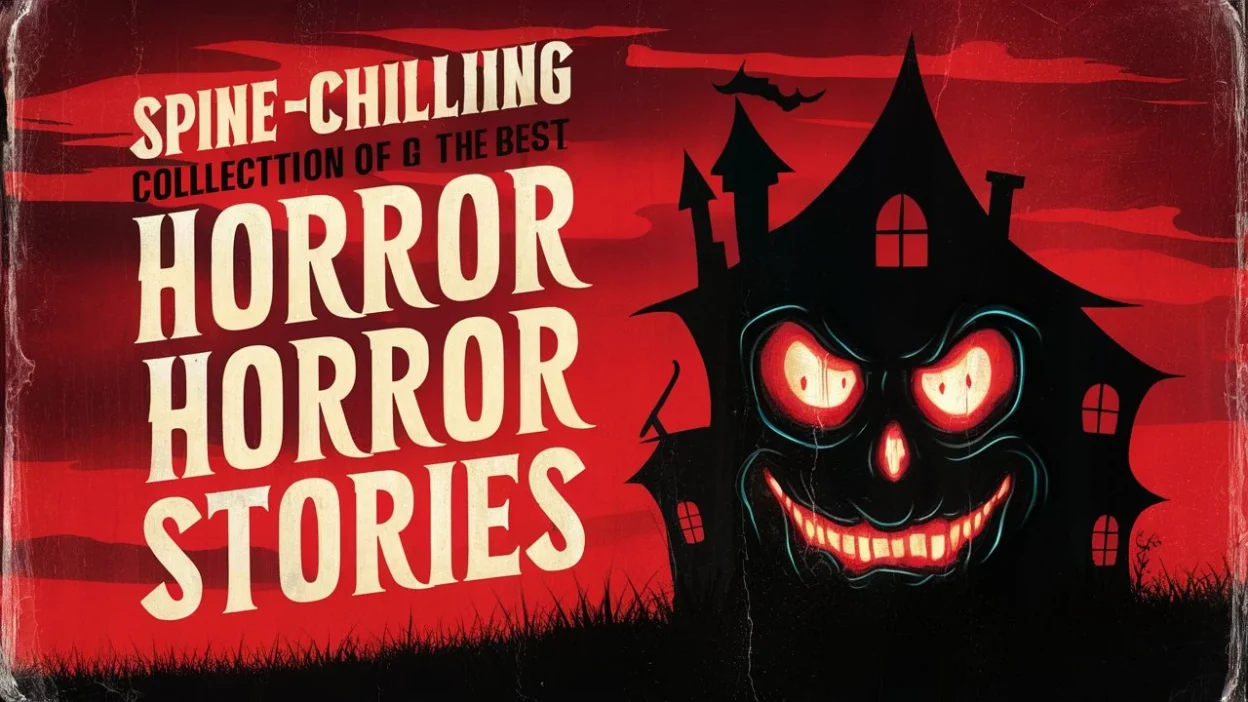
These horror stories are written for adults who carry quiet stress, unspoken fears, and tired minds that need a safe place to wander. If your days feel heavy, these stories offer a controlled darkness—one where you can explore fear without real danger and come back lighter. They’re hot, trending, and among the top choices for readers who want the best kind of escape: emotional release.
Each story is grounded, human, and familiar, designed to feel like something whispered late at night by someone who understands you. Horror isn’t just about terror; it’s about relief, recognition, and letting tension drain away. These horror stories invite you to pause, breathe, and experience fear as a form of comfort, not chaos.
The House That Knew My Name
I moved into the house after the divorce because it was cheap and quiet. The realtor avoided my eyes, which should have warned me, but loneliness makes people brave. The first night, the floorboards creaked as if learning my weight. The second night, I heard breathing that wasn’t mine. I told myself it was old pipes and grief playing tricks. Still, I slept with the light on, feeling watched in a way that felt personal, almost intimate.
The house responded to moods. When I cried, doors softened their groans. When I laughed on the phone, the air felt warmer. One evening, I came home furious after work, and a picture frame shattered without being touched. I cleaned the glass with shaking hands, realizing the house wasn’t haunted by something evil, just something aware. It knew me.
A week later, I heard my name whispered from the hallway. Not threatening, not sweet—factual. Like a fact being stated aloud. I answered before thinking. The walls seemed to relax. That night, I slept deeply for the first time in months, dreaming of being held without judgment.
This was when I understood the truth about horror stories: they aren’t always about monsters. Sometimes they’re about being seen too clearly. The house reflected everything I tried to hide. My resentment, my loneliness, my exhaustion. It forced honesty through fear. Each night after, it showed me memories I avoided—my failed marriage, my compromises, my silence. Painful, yes, but cleansing.
Eventually, the house stopped whispering. It had learned all it needed. I stayed another month, lighter, calmer. When I left, the windows looked empty again. I think it waits for people like me. Not to destroy them, but to make them listen to themselves when nothing else will.
Moral: Facing what frightens you inside can be more healing than running from it.
The Last Train Home
I took the last train because I wanted to be alone. The platform was nearly empty, the air thick with the kind of silence that presses against your ears. When the train arrived, it looked older than the schedule promised, its lights flickering like tired eyes. I stepped on anyway, craving the numb calm that late-night travel brings.
Inside, the passengers sat unnaturally still. No phones. No conversations. Just quiet breathing. As the train moved, I noticed every stop felt wrong—names I didn’t recognize, platforms that vanished too quickly. A woman across from me met my gaze and smiled sadly, as if she knew something I didn’t want to hear.
About halfway through, panic crept in. This wasn’t my route anymore. I stood, asking where we were going. No one answered. The conductor finally approached and said softly, “Where you keep avoiding.” His words settled into me like cold water. That’s when the true horror stories of adulthood surfaced—regrets, stalled dreams, the weight of choices never made.
The train slowed, and suddenly I was seeing moments from my life reflected in the windows. The job I stayed in out of fear. The call I never returned. The love I let fade because it felt safer to be empty. Each memory hurt, but none felt cruel. The train wasn’t punishing me. It was showing me the cost of standing still.
When it finally stopped, the doors opened to my actual station. Normal. Bright. I stepped off gasping, heart racing. The train pulled away, ordinary again. Since that night, I’ve made different choices. I still fear late trains, but I understand now: sometimes fear is just truth arriving without warning.
Moral: Avoiding your fears doesn’t stop the journey—it only delays understanding.
Something Watches When You Sleep
It started with the feeling of being observed. Not threatened, just noticed. Lying in bed, I’d sense attention resting on me like a hand. I live alone, work too much, and don’t scare easily, so I ignored it. But the feeling grew heavier each night, pressing into my chest until sleep became a struggle.
I installed cameras, checked locks, even blamed stress. Nothing showed up. Yet every night, the awareness returned. Watching. Waiting. I realized this is why horror stories linger with adults—they mirror the quiet dread we carry without names. This thing didn’t lurk in shadows. It hovered just beyond sight, patient and calm.
One night, exhausted, I spoke aloud. “What do you want?” The air felt warmer. My breathing slowed. And suddenly I knew—it wanted me to rest. To stop punishing myself with endless vigilance. The presence intensified whenever I pushed myself too far, faded when I allowed sleep.
Over time, I stopped fighting it. I slept deeper, dreamed vividly. The presence became familiar, almost comforting. I wondered if it had always been there, drowned out by noise and denial. Maybe it wasn’t an external thing at all, but the part of me that noticed exhaustion before I did.
Eventually, the feeling disappeared. I sleep normally now, though I listen to my body more carefully. I don’t know what watched me during those months. But I know I needed it. Fear forced me to rest when I wouldn’t choose it myself. And that, strangely, saved me.
Moral: Sometimes fear is your mind’s last way of asking for care.
The Room That Refused to Forget
I rented the room because it was close to work and far from everyone who knew my history. The landlord said the previous tenant left suddenly, but people always do. The room was clean, quiet, almost too neutral, like it had been reset. The first night, I slept well. The second night, I dreamed of conversations I never had, arguments I avoided, apologies I owed.
By the third night, the room began correcting me. When I lied on the phone, the air felt tight. When I told the truth, the walls seemed to ease. I woke with headaches that faded once I admitted things aloud. At first, I thought stress was playing tricks. Adults don’t like admitting fear, especially fear that sounds ridiculous. But horror stories often begin where logic fails.
The room remembered everything. When I tried to forget my father’s last voicemail, it echoed faintly through the vents. When I pushed away guilt about leaving a relationship unfinished, the bed grew uncomfortably warm. It wasn’t malicious. It was thorough. Every avoided memory surfaced eventually, calmly, relentlessly.
One night, overwhelmed, I shouted that I didn’t want to remember anymore. The lights flickered, and the room went cold. I sat on the floor, shaking, realizing how much effort I spent pretending forgetting was healing. The room wasn’t punishing me. It was refusing to let me erase myself.
As days passed, I started speaking honestly in that space. I admitted regret, anger, shame. The room softened. Sleep came easier. The pressure lifted. This is why horror stories resonate with adults—they force us to confront what we bury to survive. Fear becomes a tool, not a weapon.
When I finally moved out, the room felt empty again. Neutral. Like it was waiting. I left lighter, carrying memories instead of running from them, knowing forgetting isn’t freedom.
Moral: Healing begins when you stop erasing the parts of yourself that hurt.
The Call You Shouldn’t Answer
The call came at 2:17 a.m. No caller ID. I ignored it. Then it rang again. And again. Against my better judgment, I answered. The voice sounded like mine, only older and tired. It said my name the way someone does when they’re disappointed but patient.
It told me things I hadn’t admitted to anyone. How I stayed busy to avoid thinking. How I numbed myself with noise. Horror stories often work because they strip distractions away. This voice did exactly that. It didn’t threaten me. It reminded me. Each word landed heavier than fear.
I hung up, heart racing. Seconds later, my phone buzzed with missed calls—timestamps from years ago. Dates tied to moments I chose silence over honesty. The voice called again. This time, I listened. It asked why I thought I deserved constant exhaustion. Why rest felt like weakness.
As the conversation continued, I realized the voice wasn’t supernatural. It was accumulated awareness, calling when everything else was quiet. The horror wasn’t the call. It was how long I’d ignored myself. The voice told me if I kept refusing to listen, the calls would get louder, harder to escape.
The line went dead. My phone returned to normal. Since that night, it hasn’t rung again. I’ve made changes—small, uncomfortable ones. Less distraction. More honesty. I still fear late-night calls, but I understand now: some warnings don’t come with monsters. They come sounding like you.
Moral: Ignoring yourself for too long turns awareness into fear.
The Mirror After Midnight
I noticed the mirror changing before I noticed myself. After midnight, my reflection looked more alert than I felt. Its eyes followed me when I moved. I blamed poor lighting, fatigue, stress. Adults always do. Horror stories thrive in that gap between denial and recognition.
One night, I stayed awake deliberately, watching. At exactly twelve, my reflection straightened while I slouched. It smiled when I didn’t. Panic surged, but curiosity held me still. The reflection began to speak, mouthing words before sound reached my ears. It said everything I swallowed during the day.
It told me I looked smaller than I used to. That I avoided confrontation to feel safe. That I confused endurance with strength. Each sentence hurt because it was accurate. The mirror wasn’t mocking me. It was disappointed, and that felt worse.
Night after night, the reflection showed me who I was becoming. Tired. Careful. Quiet. During the day, I felt numb. At night, fear forced me to pay attention. This is why horror stories matter to adults—they cut through emotional fog. They demand presence.
Eventually, I spoke back. I argued. I defended myself. The reflection listened, nodding. Slowly, it began to resemble me again. By the end of the week, it stopped moving on its own. Just glass and silver.
I still avoid mirrors after midnight. Not because I’m afraid of what I’ll see, but because I know I’ll see the truth if I’m not ready to hear it.
Moral: Self-awareness becomes frightening only when you refuse to face it.
The Attic That Remembered Everything
I inherited my grandmother’s house after she passed quietly in her sleep. The attic had been locked for decades, and curiosity outweighed caution. When I climbed the narrow stairs, dust and memories filled the air. Boxes of old letters, photographs, and toys lined the walls. Nothing seemed alive—until I opened a small chest.
Inside, there were objects I didn’t recognize but felt strangely familiar. A doll with my face painted faintly, letters written in my handwriting before I was born. The horror stories in my mind whispered of curses, but the attic’s air was calm, deliberate. It wasn’t malicious—it was waiting for acknowledgment.
That night, I dreamt vividly of moments I had suppressed: fights with friends, regrets about my career, chances never taken. Each memory came with a sense of urgency, almost pleading. The attic had remembered them for me. It knew me better than I knew myself. I woke with a racing heart but a strange relief—like someone had cleaned the slate without judgment.
I returned nightly, reading letters, touching objects, allowing memory to flow. Slowly, I felt lighter. The attic wasn’t haunted. It was a mirror of hidden truths. When I finally locked it again, I felt gratitude, not fear. Horror stories often focus on external threats, but adults understand that the internal shadows can be far more persistent—and far more healing once faced.
Moral: Confronting buried memories brings unexpected peace.
The Elevator That Went Nowhere
I worked late shifts and often took the elevator alone. One night, it stopped between floors. The lights flickered, and the air grew thick, like breathing through water. I pressed the buttons repeatedly. Nothing. Then I noticed the numbers moving backward, descending below the basement. Fear set in—this was not normal, but horror stories aren’t always about monsters. They’re about isolation, helplessness, and the mind pushing against the impossible.
The elevator stopped abruptly. A voice, calm but firm, said, “You are not ready to exit yet.” I laughed nervously, expecting no answer. Then a cold presence brushed my neck. The elevator shifted. Scenes from my life played on the reflective walls: mistakes I tried to ignore, truths I avoided, regrets I buried. I realized the horror was personal. The elevator forced awareness.
Hours felt like minutes, and minutes like hours. I apologized to myself for ignoring boundaries, for suppressing feelings, for living mechanically. Then the elevator stopped at my floor. Doors opened to the familiar lobby. Everything seemed normal again, but I walked differently. I carried awareness, not fear.
Moral: Sometimes being trapped is the only way to confront yourself.
The Lighthouse Keeper
I spent a week alone at a remote lighthouse, hoping for solitude. The sea was merciless, the wind constant. On the second night, the light began to flicker, even though I hadn’t touched the controls. At first, I thought it was electrical. Then I heard footsteps echoing across the metal stairs, though I was the only human.
I began writing a journal, documenting the strange occurrences. The light rotated oddly, stopping at moments of deep thought, illuminating objects I had ignored: letters, tools, a photograph of someone I vaguely remembered from childhood. The lighthouse wasn’t haunted by a ghost; it was haunted by memory, by the parts of me I neglected. Horror stories resonate with adults because they dramatize the internal becoming external.
By the final night, I felt the light guiding me inward. I confronted long-standing fears, guilt, and unresolved grief. Each revelation was painful but necessary. When I left, the lighthouse stood silent, neutral, but I carried the clarity it had offered. The haunting had been therapeutic.
Moral: Isolation can illuminate truths that distraction keeps hidden.
The Clock That Ticked Backwards
It appeared in my apartment one morning: an antique clock on my mantel I didn’t remember buying. The hands moved backward. At first, I ignored it. By evening, I noticed it syncing with my emotions. When anxious, it ticked louder. When sad, it slowed. The focus keyword, horror stories, became tangible that week: not external threat, but intimate reflection.
I began seeing my life differently. Conversations I avoided, opportunities I neglected, emotions I stifled—all seemed to rewind and replay in my mind. Adults know that true horror often mirrors ourselves. The clock wasn’t evil; it demanded introspection. Each tick pulled me closer to acceptance, forcing me to reconcile the past with the present.
One night, exhausted, I whispered apologies into the room. The clock ticked softly, then returned to normal. I realized that fear is sometimes a guide, not an enemy, and that horror stories, even in adults, provide a safe space to confront the self.
Moral: Facing your own timeline allows peace to replace fear.
Conclusion
These horror stories reveal that adult fears often come from within, not just from shadows or monsters. Each narrative—whether it’s the house that knows your name, the attic that remembers, or the elevator that traps you—explores emotional stress, suppressed memories, and internal reckoning.
Horror stories help us process regret, acknowledge truths, and release tension in a safe, controlled environment. For adults seeking emotional relief, these tales offer comfort and reflection, blending suspense with human insight. By engaging with horror, we confront the aspects of life that are difficult to face, turning fear into a therapeutic, enlightening experience.

I’m Silas Everhart, a storyteller who loves weaving tales that linger in the mind.
Through lushystories.com, I share my journeys into passion, mystery, and imagination.
Every story I write is a piece of my soul, hoping to connect with readers worldwide.